Partition & Inheritance · Pokhara, Kaski
Partition (Ansha) & Inheritance Lawyer in Pokhara
Gitanjali Law Firm files and defends partition (अंश) and inheritance cases in Pokhara — claiming a share of ancestral property, contesting an unfair division, transferring land after a death (नामसारी), and drafting wills and family settlements that hold up at Kaski District Court.
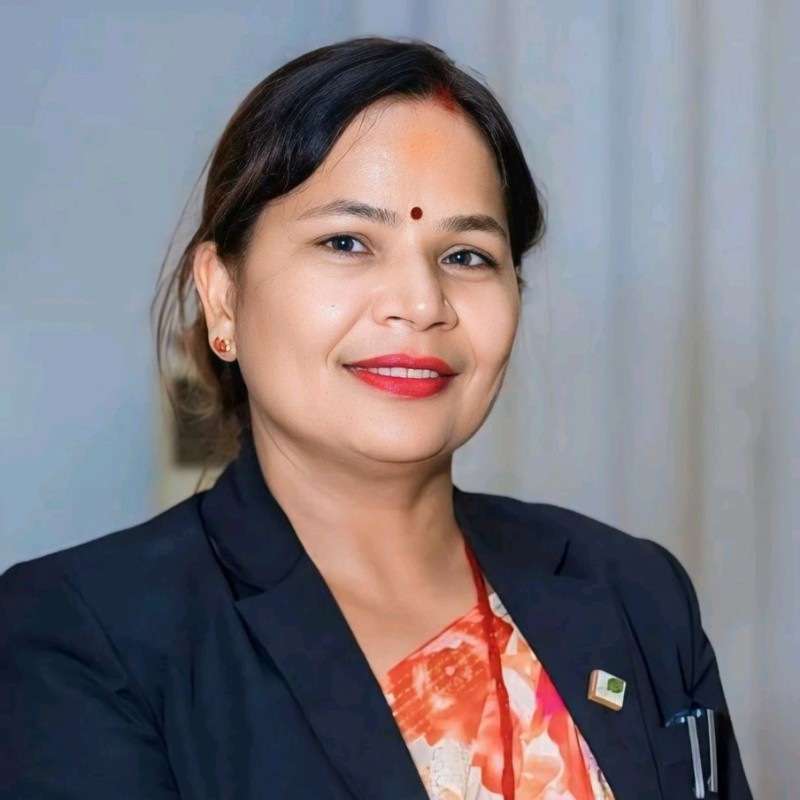
Advocate Gita Acharya
Nepal Bar Council Reg. 9058
Consultations and case strategy handled personally. More than 20 years of practice before courts and public offices in Pokhara.
Understanding your position
Partition disputes are the most common family litigation in Kaski, and the least talked about. A partition lawyer in Pokhara is usually called after something specific has happened: land has been sold without the other heirs knowing, a father has transferred everything to one son, a widow or daughter has been excluded, or a parent has died and the property is still standing in their name while the family quietly divides.
Under the Muluki Civil Code, 2074, sons and daughters have equal rights in ancestral property, and a spouse's rights are recognised in law rather than at the family's discretion. Whether that translates into your actual share depends on evidence: the land ownership certificates, the family relationship records, what was ancestral and what was self-acquired, and what has already been transferred away.
Gitanjali Law Firm handles both sides of these cases — claiming a share and defending against an inflated claim — and is candid about which is worth fighting. Many partition matters end better in court-referred mediation with a properly drafted settlement deed than after years of hearings that consume the value of the land itself.
Matter at a glance
| Governing law | Muluki Civil Code, 2074 (2017) |
|---|---|
| Daughters' share | Equal right in ancestral property |
| Filing forum | Kaski District Court, Pokhara |
| Key documents | लालपुर्जा, नाता प्रमाणित, death registration |
| Heirs abroad? | Can act through attested power of attorney |
Court fees in partition matters are fixed by statute according to the value of the claim. Because these cases turn on documents, the first stage — collecting and reading the land records and family register — is usually where the outcome is decided.
Scope of representation
What partition (ansha) & inheritance lawyer covers
Partition claims (अंश मुद्दा)
Filing for your legal share of ancestral property at Kaski District Court, including identification of all partible property and the parties who must be joined.
Defending partition claims
Where a claim overstates what is ancestral, or ignores self-acquired property, debts and earlier settlements, we defend with the documentary record.
Daughters' and widows' property rights
Enforcing the equal rights of daughters and the property rights of a widow, including recovery of property transferred to defeat those rights.
Transfer after death (नामसारी)
Moving land, deposits and shares into the heirs' names using death registration, relationship certificates and heir consent, and resolving matters where consent cannot be obtained.
Setting aside unfair transfers
Challenging gifts, sales or deeds executed to remove property from the pool before partition.
Wills, family settlement and बण्डापत्र
Drafting a will, partition deed or family settlement now so that the next generation is not in court — including registration so the document is provable later.
Debt, dowry and account settlement
Accounting for family debts, funds sent from abroad, and contributions to construction or business when the share is calculated.
Our approach
How these matters are handled
- 01Partition claims over property in Kaski are filed at Kaski District Court.
- 02The starting point is the land record and the family register rather than what any party asserts.
- 03Where the parties can agree, a registered partition deed is used, because a registered settlement is enforceable and closes the matter.
- 04Heirs living abroad can act through an authorised power of attorney.
- 05These matters are handled with discretion, since the parties remain members of the same family.
Where these matters are decided
- · Kaski District Court, Pokhara
- · High Court Pokhara
- · Land Revenue Office (Malpot) Kaski
- · Ward offices of Pokhara Metropolitan City
Governing law
- · Muluki Civil Code, 2074 (2017) — partition, succession, wills
- · National Civil Procedure Code, 2074 (2017)
- · Land Revenue Act, 2034 — record correction and mutation
From consultation to resolution
How the process works
Every matter is different, but the work follows a clear sequence. You should always know what has happened and what comes next.
- 01
1. Map the family and the property
Bring citizenship certificates, relationship certificate (नाता प्रमाणित), death registration where relevant, all land ownership certificates, and any earlier partition or gift deed.
- 02
2. Establish what is partible
We separate ancestral from self-acquired property, identify what has been transferred away and when, and calculate the share each party can legally claim.
- 03
3. Notice and negotiation
In many cases a properly drafted legal notice and a mediated settlement resolve the matter faster and cheaper than litigation.
- 04
4. Filing at Kaski District Court
Where negotiation fails, we file or defend the partition case, apply for interim protection of the property where there is a risk of sale, and conduct the evidence.
- 05
5. Execution and record correction
After judgement we execute the partition, get the plots divided and the records corrected at the Land Revenue Office, and appeal where warranted.
Discuss a partition & inheritance matter
Bring your documents to the office at Mustang Chowk, or send them on WhatsApp if you are outside Pokhara or abroad.
Mustang Chowk, Pokhara-7, Kaski, Gandaki Province, Nepal · Sunday–Thursday 10:00–17:00 · Friday 10:00–15:00 · Saturday closed
Partition & Inheritance in Pokhara — frequently asked questions
Straight answers to what clients ask most often. If your question is not here, call or WhatsApp and ask it directly.
Do daughters have an equal share in family property in Nepal?
Yes. Under the Muluki Civil Code, 2074, daughters have an equal right to ancestral property alongside sons, and this applies whether or not the daughter is married. Enforcing it is a documentary exercise: we establish the ancestral character of the property, the list of coparceners, and what has already been transferred away.
My brother sold family land without telling us. What can we do?
Act quickly. Depending on what was sold and how, remedies include a partition claim, an application to protect or freeze remaining property, and proceedings to set aside a transfer made without the consent of co-owners. Bring the ownership certificate and any information about the sale — the date and the buyer matter.
How do we transfer property after a parent dies?
Where the heirs agree, it is a नामसारी process at the Land Revenue Office using the death registration and relationship certificate. Where an heir refuses to cooperate, is unreachable, or has already dealt with the property, it becomes a court matter. The first consultation establishes which one you are in.
Can I claim my share while living abroad?
Yes. Heirs in the Gulf, Malaysia, Korea, Japan, Australia, Europe or North America regularly run partition cases in Pokhara through an authorised power of attorney attested at the Nepali embassy or consulate. We handle filing, hearings and updates, and can act urgently where property is being sold.
Is it better to settle or to fight a partition case?
It depends on the gap between what is offered and what the record supports, and on whether the property is producing income while the case runs. Where the gap is small, a registered settlement deed protects the relationship and ends the risk. Where the record clearly supports a much larger share, litigation is worth it. We give you both numbers before you decide.
Connected issues
Related legal services in Pokhara
Property & Land Dispute Lawyer in Pokhara
Land and property lawyer in Pokhara: title checks before you buy, boundary and ownership disputes, Malpot Kaski registration and land cases.
Read more02Divorce & Family Lawyer in Pokhara
Divorce and family lawyer in Pokhara. Mutual and contested divorce, custody, alimony and domestic violence cases at Kaski District Court.
Read more03Power of Attorney & Legal Help for Nepalis Abroad
Authorised power of attorney (अधिकृत वारेसनामा) for Nepalis abroad. A Pokhara advocate to protect your land in Kaski and run your case.
Read more