Legal guide · Pokhara, Nepal
Company Registration in Pokhara: Steps, Offices and What It Costs
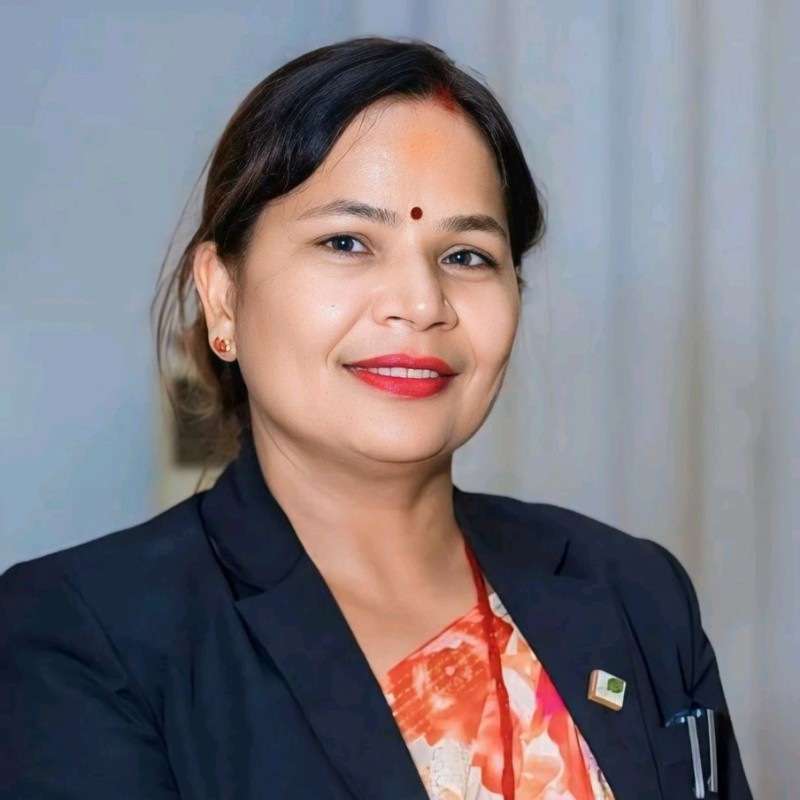
Advocate Gita Acharya
Author · Bar Reg. 9058
Written from more than two decades of legal practice in Pokhara. Updated when the law or process changes.
The short answer
Registering a company in Pokhara means four separate steps, not one: name reservation and registration at the Office of the Company Registrar, tax registration (PAN, and VAT where applicable) at Inland Revenue Office Kaski, local business registration with your ward and Pokhara Metropolitan City, and any sector licence your business needs. Statutory charges at each office are fixed by law — the Company Registrar's charge depends on the authorised capital — and each office publishes its current schedule.
Pick the structure before you pick the name
Three structures cover most Pokhara businesses. A private limited company is a separate legal person, limits the owners' liability, can take shareholders and investors, and is registered under the Companies Act, 2063 with the Office of the Company Registrar. A partnership firm suits two or more people trading together with a written agreement between them. A sole proprietorship is the simplest and cheapest, and the owner carries the liability personally.
The choice is not about prestige. It is about who is liable if the business fails, whether outside investment is coming, whether ownership needs to be transferable, and what your clients or the sector regulator require. Businesses that pick a structure to look impressive and then have to restructure pay for the registration twice.
The four steps, in order
A company is not 'registered' until all four of these are done. Skipping the later ones is how businesses end up unable to open a bank account or invoice a client.
- 1. Company Registrar: reserve the name, then register with the memorandum of association, articles of association and shareholder details. The registration charge is fixed by law according to the authorised capital of the company.
- 2. Tax registration: PAN with Inland Revenue Office Kaski, and VAT registration where the business's turnover or sector requires it.
- 3. Local registration: business registration with your ward office and Pokhara Metropolitan City, which is also what most premises and signage questions run through.
- 4. Sector licence: tourism, hotel, trekking or travel registration; food and health approvals; education or construction licensing — whichever applies. A trading business with no sector licence and a hotel with no tourism registration are in very different positions.
What documents you will need
Have these ready before starting; incomplete documents are the main cause of delay.
- Citizenship certificates and photographs of all shareholders and directors (passports for foreign or NRN shareholders)
- Two or three proposed company names, in order of preference
- A clear statement of the business objects — what the company will actually do
- Authorised and issued capital, and the shareholding split between the shareholders
- Registered office address in Pokhara, with proof of the premises or a rental agreement
- Memorandum and articles of association drafted for this business
The documents that matter later
Registration is administrative. The memorandum, articles and — where there is more than one owner — a shareholder agreement are the documents that decide what happens in the two situations every business eventually faces: a founder wants out, and the owners disagree.
Copied templates are silent on exactly those points. What are the objects, precisely, so that a licence or a bank does not reject the company later? Who has the power to bind the company? Can shares be transferred to an outsider, and on what terms must they first be offered to existing shareholders? What happens on deadlock, or on the death of a shareholder? How is a departing founder's stake valued?
Every corporate dispute we later see in Pokhara traces back to one of those questions being left unanswered at registration, when it was cheap to answer.
Timeline, and what actually causes delay
With complete documents and an acceptable name, registration at the Company Registrar is generally a matter of days rather than weeks, with the tax, ward and licence steps following after.
Delay comes almost entirely from three things: a name rejected at reservation, incomplete personal documents for a shareholder or director, and object clauses that do not match the licence the business later applies for. All three are avoidable at the drafting stage.
Statutory charges at each office are fixed by law and published by the office concerned — the Company Registrar's charge is determined by the authorised capital — so they can be confirmed before filing rather than discovered at the counter.
After registration: what actually has to be maintained
A registered company carries continuing obligations, and the penalty for ignoring them lands at the least convenient moment — usually when you need a clean record for a loan, a tender or a sale.
Keep up annual filings with the Company Registrar; keep tax filings current with Inland Revenue; record board and shareholder decisions as resolutions rather than as conversations; register changes in capital, directors, objects or registered office when they happen; renew sector licences before expiry; and put staff on written employment contracts compliant with the Labour Act, 2074.
A short annual compliance calendar, drawn up at registration, is the cheapest legal product a new business can buy.
Registering a business in Pokhara
Gitanjali Law Firm registers companies and firms for Pokhara businesses — hotels and guest houses, restaurants and cafés, trekking and travel agencies, retail and trading, construction, schools and clinics, IT and service startups — and drafts the founding documents, contracts and compliance calendar that follow. We also advise non-resident Nepalis investing in a Pokhara business from abroad.
Office: Mustang Chowk, Pokhara-7. Call or WhatsApp +977 9856032228 to discuss structure before you reserve a name.
Research note
Official sources
- Office of the Company Registrar, Nepal
- Inland Revenue Department, Nepal
- Nepal Law Commission — Companies Act, 2063
This guide is general information about the law in Nepal, current as at 3 August 2026. It is not legal advice for your matter. Contact Gitanjali Law Firm at +977 9856032228 for advice on your own case.
Questions about this topic
What determines the government charges for registering a company in Nepal?
The Office of the Company Registrar's charge is fixed by law according to the authorised capital of the company, with a separate charge for reserving the name. Tax registration, ward registration and any sector licence carry their own statutory charges. Each office publishes its current schedule, so the total can be established before filing.
Can I register a company in Pokhara without going to Kathmandu?
Company registration is handled through the Office of the Company Registrar with an online portal for name reservation and filing, and the tax, ward and licence steps are all done locally in Kaski. In practice most Pokhara registrations are completed without travel.
Do I need a lawyer to register a company in Nepal?
Not to file the forms — the portal permits self-filing. What an advocate produces is the memorandum, articles and shareholder terms that decide what happens when an owner leaves or the owners disagree, and the object clauses that keep a later licence application from failing. Fixing those in a dispute costs many times the registration fee.
Can a non-resident Nepali or foreigner own a company in Nepal?
Yes, subject to the approvals and sector conditions applicable to non-resident and foreign investment. The structure should be settled before money is transferred, because it affects repatriation and tax treatment.