Legal guide · Pokhara, Nepal
How to Make a Power of Attorney for Nepal from Abroad (अधिकृत वारेसनामा)
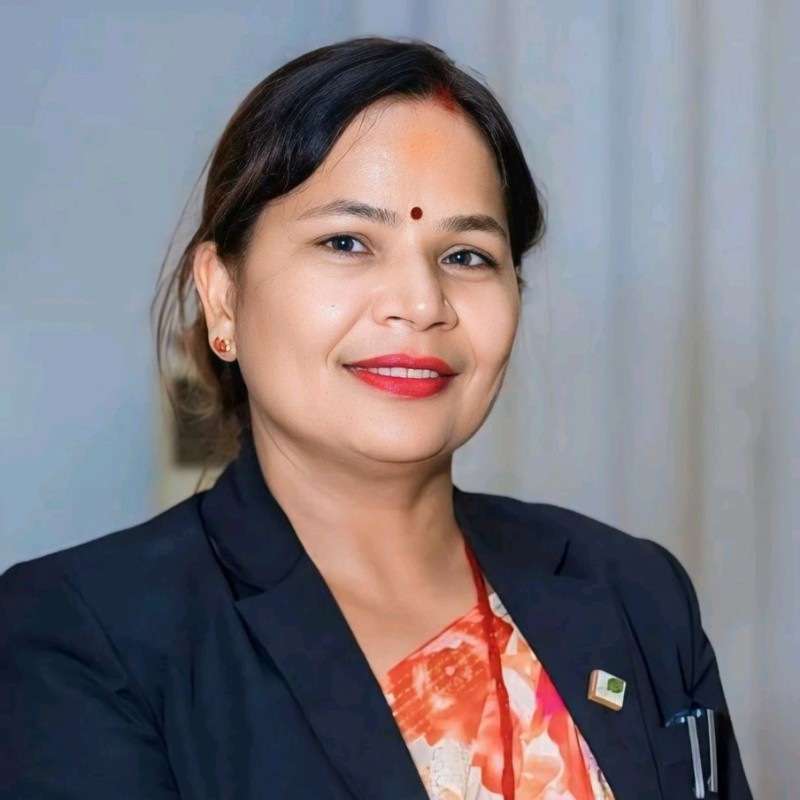
Advocate Gita Acharya
Author · Bar Reg. 9058
Written from more than two decades of legal practice in Pokhara. Updated when the law or process changes.
The short answer
A Nepali living abroad grants an authorised power of attorney (अधिकृत वारेसनामा) by executing it before the Nepali embassy or consulate in their country of residence and having it attested there, after which it can be used in Nepal. Power of attorney is governed by the National Civil Procedure Code, 2074 (Sections 144–155), and the document must state the specific powers granted — vague authorities are refused at the Land Revenue Office and over-broad ones are dangerous to give.
What a power of attorney does, and what it cannot do
A power of attorney authorises someone in Nepal — an advocate, a relative — to act in your name. With one in place, a case can be filed or defended, a hearing attended, a land transfer registered, a freeze applied for, or a document collected, without you being physically present.
What it does not do is grant unlimited authority. Nepali offices read the wording. An authority that does not clearly cover registration of a transfer will not be accepted for a registration; an authority to conduct litigation does not let the holder sell your land. This is protective, not bureaucratic: the specificity is what keeps a power of attorney from becoming a blank cheque over your property.
The legal framework is in the National Civil Procedure Code, 2074 (2017), Sections 144–155, which set out who may act, how the authority is created and how it operates in proceedings.
Executing it from abroad: the actual sequence
If you are in Nepal, a power of attorney is executed and registered locally. If you are abroad, it goes through the Nepali mission where you live.
- 1. Decide precisely what needs doing in Nepal — a specific case, a specific plot, a specific registration.
- 2. Have the document drafted in Nepal to match that purpose, together with the application and the लिखतम् (the operative instrument produced later in Nepal).
- 3. Book and attend the Nepali embassy or consulate with your passport, photographs and the drafted documents.
- 4. Execute and have the document attested at the mission; each mission publishes its own attestation requirements and charges.
- 5. Send the attested document to your advocate or authorised person in Nepal — courier the original, and send a scan ahead so work can be prepared.
- 6. The authority is then used in Nepal for the specified purpose: filing, hearings, registration, or the application concerned.
Choosing who holds it — and how much power to give
The most common and most costly error is giving a broad authority to a relative because it seems simpler than involving a lawyer. Broad authorities over land have been used to sell property belonging to family members working abroad — and unwinding that transfer afterwards is litigation, not paperwork.
Two safer patterns. First, split the authority: give the advocate the litigation and registration powers needed for the specific matter, and keep general property powers with nobody. Second, keep it time-bound and purpose-bound, so it expires when the work is done rather than sitting live for years.
If you have already given a broad authority and are uneasy about it, it can be revoked — and revocation is worth doing promptly, before something is done under it.
What Nepalis abroad most often use it for
In Kaski, four uses dominate, all of them from families where one or more members are working overseas.
- Protecting land: verifying at Land Revenue Office Kaski whether any transfer has been registered, and applying to freeze (रोक्का) a plot where an unauthorised sale is being attempted
- Partition and inheritance: claiming a share of ancestral property, or completing नामसारी transfer after a death, without flying home
- Divorce and family cases: running a case at Kaski District Court where one spouse is overseas
- Documents for use abroad: affidavits, relationship and single-status documents, notarised translations and certified copies for immigration or foreign court purposes
Practical points that save weeks
Missions differ in what they require and how they schedule appointments, and a document returned for re-attestation costs a month. Three habits prevent most of that.
First, get the draft from Nepal before you go to the mission, so the wording is already correct for the Nepali office that will receive it. Second, take more identity documents than you think you need — passport, citizenship copy, photographs, and proof of residence in that country. Third, tell your advocate the exact date you will attend the mission, so the work in Nepal can be scheduled around it rather than starting from scratch when the document lands.
And keep a scanned copy yourself. If the original is lost in transit, having the scan and the mission's attestation details makes replacement far faster.
Help from Pokhara
Gitanjali Law Firm acts for Nepalis abroad whose property, family and cases are in Kaski. We draft the power of attorney wording for your specific purpose, provide the checklist for your mission, and then do the work in Pokhara — Kaski District Court, Land Revenue Office Kaski, ward and administration offices — with updates sent to you directly.
Message +977 9856032228 on WhatsApp with your situation and photographs of the relevant documents. If land is at immediate risk of being sold, say so first — that changes what we do on day one.
Research note
Official sources
- Nepal Law Commission — National Civil Procedure Code, 2074
- Ministry of Foreign Affairs, Nepal — missions abroad
This guide is general information about the law in Nepal, current as at 3 August 2026. It is not legal advice for your matter. Contact Gitanjali Law Firm at +977 9856032228 for advice on your own case.
Questions about this topic
What does a Nepali mission require to attest a power of attorney?
Generally your passport, photographs, proof of residence in that country, and the prescribed application together with the लिखतम् document. Requirements, appointment procedures and attestation charges are set and published by each mission, so confirm them with the embassy or consulate you will attend before travelling to it.
Can my power of attorney holder sell my land in Nepal?
Only if the document expressly grants that power. The Land Revenue Office reads the wording, and a general authority will be refused for a transfer registration. Because of that, never grant a broad property authority for convenience — grant the specific power the specific transaction needs.
How long is a power of attorney valid in Nepal?
It depends on what the document says. A well-drafted authority is limited to a purpose and, where appropriate, a period, and it can be revoked. Leaving an open-ended authority live for years is a risk with no benefit.
Can I revoke a power of attorney I already gave to a relative?
Yes. Revocation should be done formally and promptly, and where you suspect the authority has already been misused, a freeze application on the property concerned and legal action to set aside any transfer may both be needed.